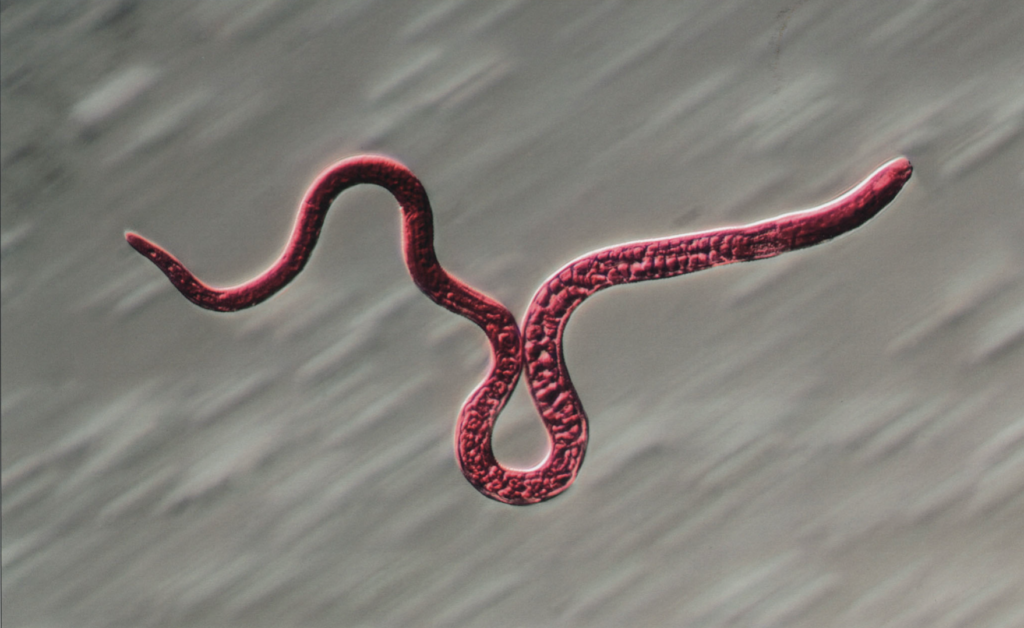
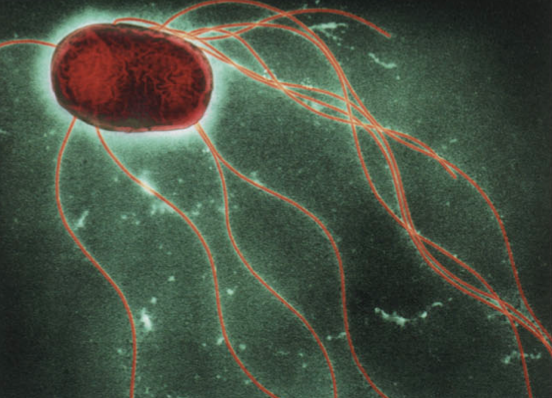
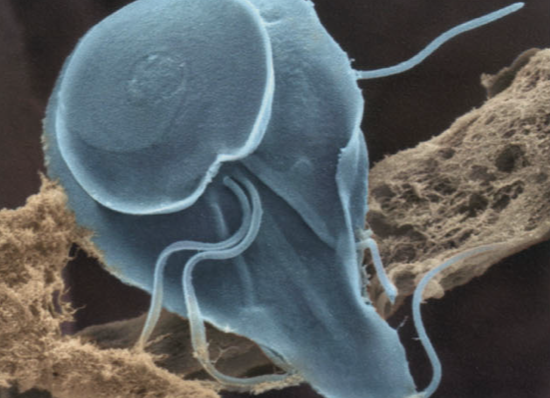
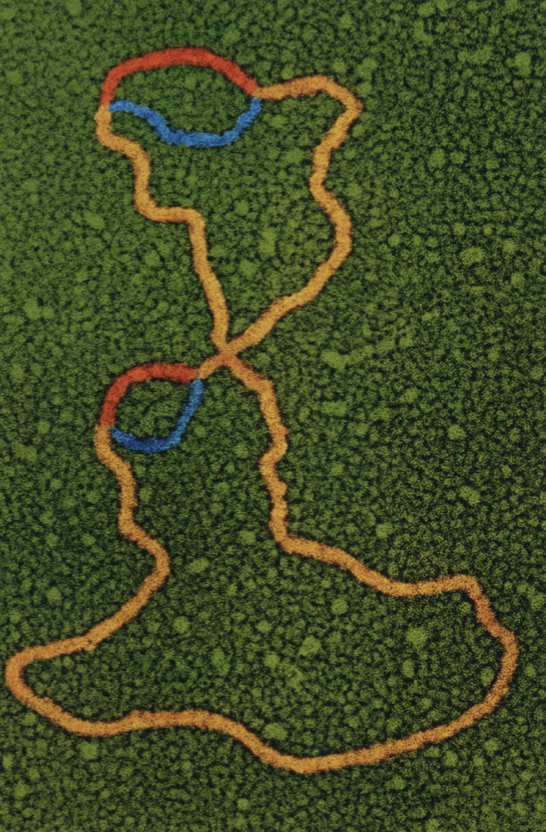
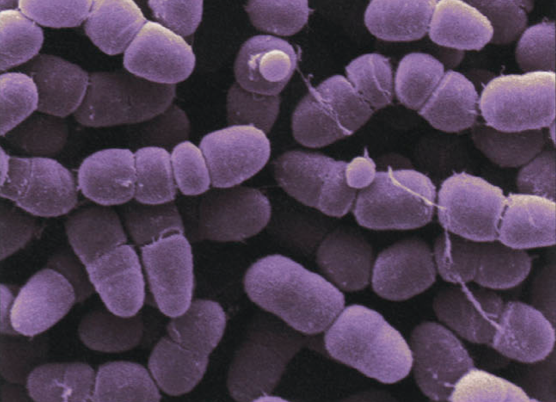
Most threats to food safety can be linked to microorganisms: living creatures, typically consisting of a single cell, that can be seen only with the aid of a microscope. These microbes have colonized our planet in astonishing abundance.
Within the broad range of these microorganisms, several major categories of foodborne pathogens are the main concern of cooks. Each class of microbes presents unique risks and hazards. Cooking and storage methods that thwart one kind of pathogen, for instance, may be useless against another. To maintain good culinary hygiene in the kitchen, a working understanding of the differences and similarities among microbial contaminants is crucial.
Bacterial Groth
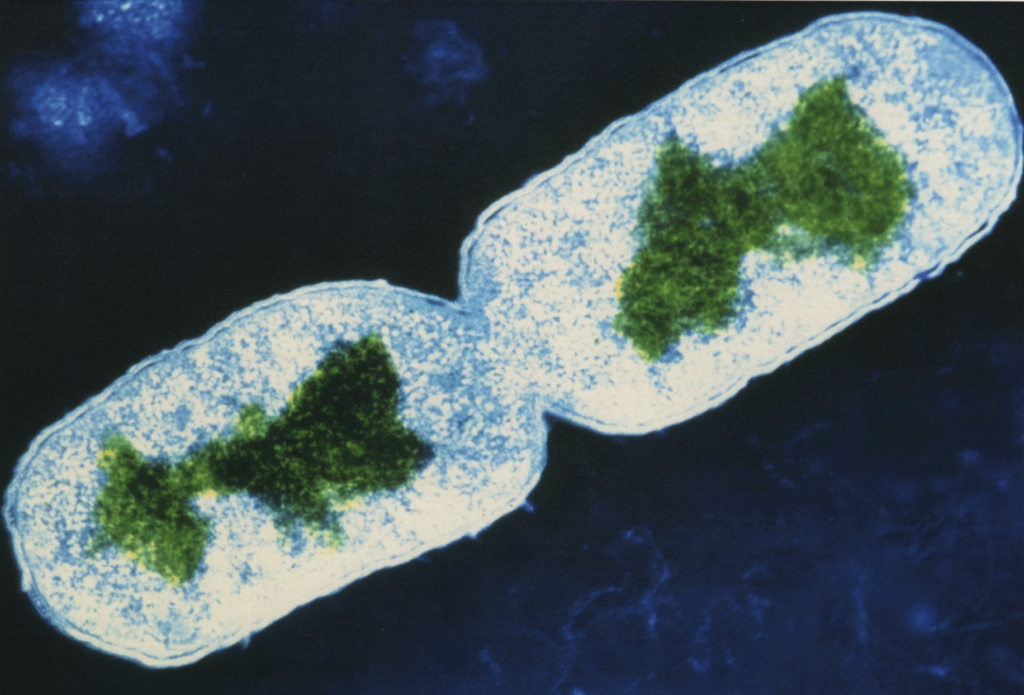
All bacteria multiply by cell division. When an individual bacterium reaches a certain point in its growth, it splits into two separate cells. The time required for a new cell to begin dividing depends on local conditions-primarily, the availability of nutrients, the acidity (pH), and the temperature. Bacterial cell division is not as regular as clock- work, but under the right circumstances, it can happen in minutes. If you start with a single bacterial cell, the growth sequence would be one, two, four, eight, 32, 64, and so on. After 10 doublings, that single bacterium would become 1,024. After 20, the population would exceed one million.
The ability of bacterial populations to grow exponentially if food is improperly handled makes pathogenic bacteria particularly dangerous. One of the principal goals in food safety, then, is taking measures when food is stored, prepared, or served to prevent this kind of rapid bacterial replication.
Bacterial replication rates depend strongly on temperature; below a critical threshold, bacteria simply do not reproduce. The same holds for replication above an upper threshold. These critical temperatures vary for different species and environmental conditions. Some bacteria multiply at temperatures just above freezing, albeit slowly. More often, microbe species begin to replicate somewhere between 3 ·c and 12 ·c and as the temperature rises above that range, bacterial reproduction generally accelerates until it reaches a maximum value.
This temperature dependence is the main reason that foods are stored in refrigerators and freezers, where the low temperatures can halt or dramatically slow the replication of pathogenic and spoilage bacteria.
SO! Do not keep your food outside the refrigerator and chill asap, this will reduce the risk already a lot!
As this is another topic is another endless study, there is lots for me to answer if you have questions, just hit the contact button.